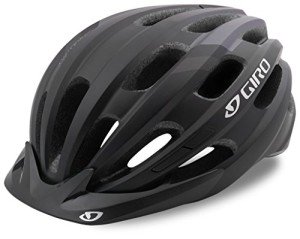
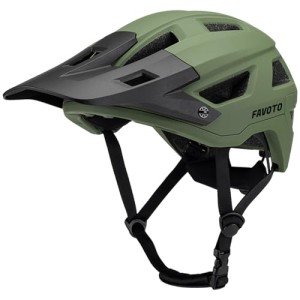
Best Cycling Helmets for Safety, Comfort, and VentilationA quality cycling helmet is the single most important piece of safety gear for any cyclist. Whether you’re commuting in the city, riding trails, or training on the road, the right helmet can protect your head in a crash while keeping you comfortable and cool during long rides.In this complete buyer’s guide, we compare the best cycling helmets for different riding styles, explain key safety and comfort features, and help you choose the right helmet for your needs.Cycling Helmet Types Compared
Key Features to Look For
You can browse our full selection of road, mountain, commuter, and performance helmets by visiting our Helmets category.Pro Tip
Replace your helmet after any significant impact, even if there’s no visible damage. Also, consider replacing it every 3–5 years due to material degradation over time.Disclaimer
The information in this buyer’s guide is for educational and informational purposes only. It is not intended to replace professional safety advice. Always wear a properly fitted helmet when cycling. No helmet can prevent all injuries. Individual results and safety may vary.Ready to Ride Safer?
Browse our Helmets category today for quality cycling helmets suited for every riding style. We focus on linking you to the best current deals from trusted retailers so you can ride with confidence and protection.
- Safety Certifications
Look for CPSC (US) or EN 1078 (Europe) certification. Many premium helmets also include MIPS (Multi-directional Impact Protection System) for better rotational force protection. - Ventilation
More vents and internal channeling = better airflow. Crucial for longer rides and hot weather. - Fit System
Adjustable dial-fit systems (like BOA or Roc Loc) allow a precise, secure fit. - Weight
Lighter helmets reduce neck fatigue on long rides. - Visibility
Reflective elements and the option to add lights are important for commuting and low-light riding.
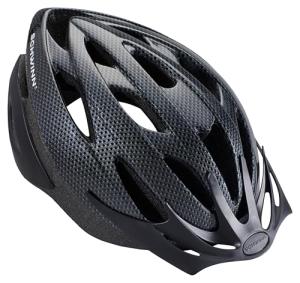
- Road & Commuting: Lightweight, highly ventilated road helmets with good aerodynamics.
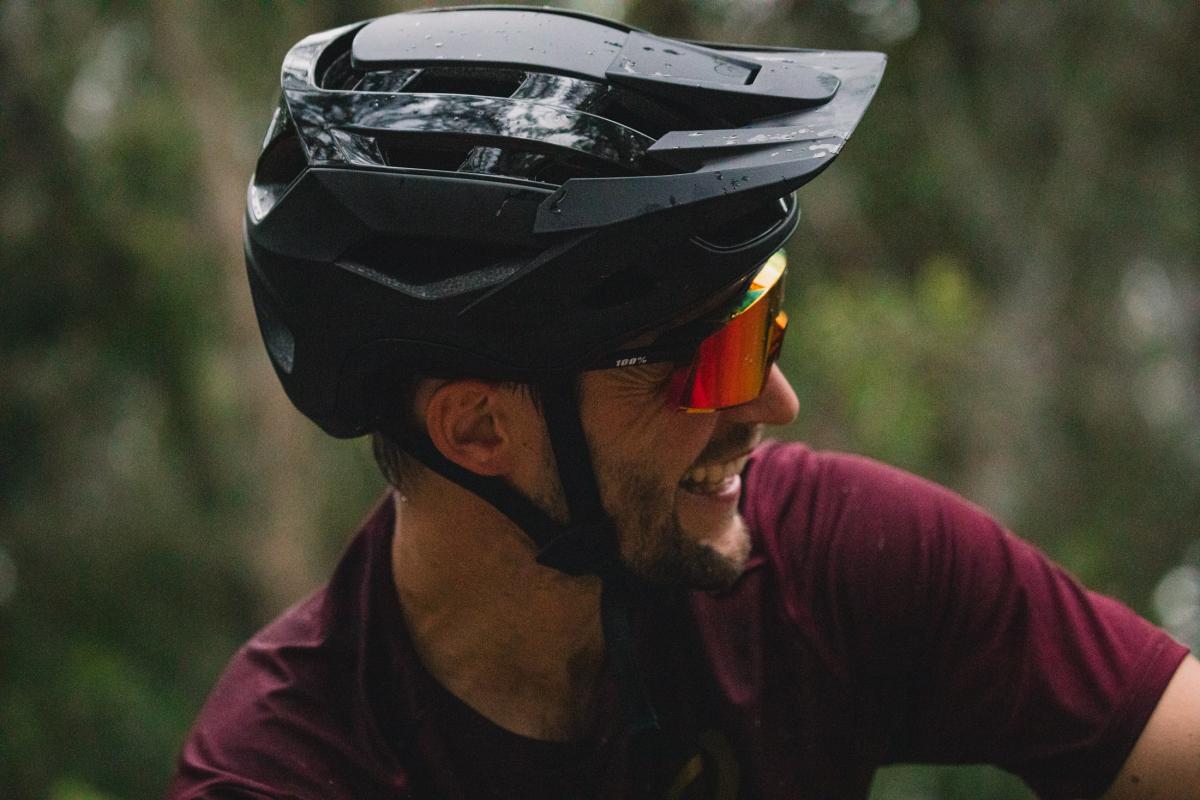
- Mountain & Trail: Helmets with extended rear coverage and visors for sun and debris protection.
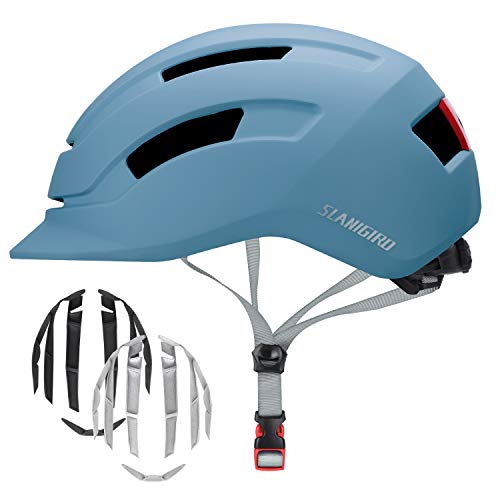
- Daily Urban Riding: Helmets with built-in lights or easy mounting points for lights.
- Measure your head circumference just above the eyebrows.
- Adjust the fit system so the helmet sits level and doesn’t move when you shake your head.
- The helmet should feel snug but not tight.
You can browse our full selection of road, mountain, commuter, and performance helmets by visiting our Helmets category.Pro Tip
Replace your helmet after any significant impact, even if there’s no visible damage. Also, consider replacing it every 3–5 years due to material degradation over time.Disclaimer
The information in this buyer’s guide is for educational and informational purposes only. It is not intended to replace professional safety advice. Always wear a properly fitted helmet when cycling. No helmet can prevent all injuries. Individual results and safety may vary.Ready to Ride Safer?
Browse our Helmets category today for quality cycling helmets suited for every riding style. We focus on linking you to the best current deals from trusted retailers so you can ride with confidence and protection.